Ancient myths originated in ancient times and have since traveled far, transforming and changing, eventually spreading throughout the world. These stories embodied the structure of the world and humanity, becoming the subject of debates on various philosophical issues that, despite their age, have not lost any of their relevance. They are recalled in disputes and crises, in love stories and moral questions, and brands—such as Nike or Hermès—bear the names of ancient Greek gods and heroes. Although these names are not associated with mythology today, it is precisely its heroes that define the concept and character of a product.
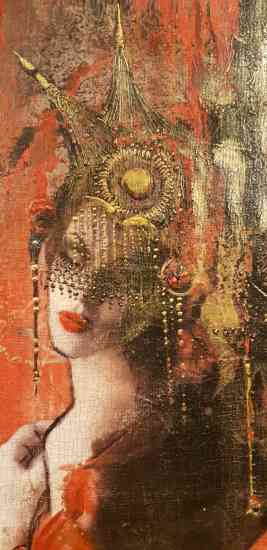
The diversity of contexts in which myths have existed and been transformed into other forms over the centuries is also reflected in the history of art. Symbolically, each era has interpreted mythological stories in its own way, focusing on the current values of society. While some information systems disappear, others emerge to meet current needs and social agendas. Recall the Renaissance and Baroque paintings with their lush imagery and intense drama—stories featuring Venus or Danaë clearly struck a chord with the culture of those centuries. Today, order and clarity are giving way to deconstruction: a fusion of styles, the overlapping of narratives, and a plurality of states. In this new world, the same heroes modify their appearance and surroundings, coming under the influence of the 21st century and acquiring a new meaning.
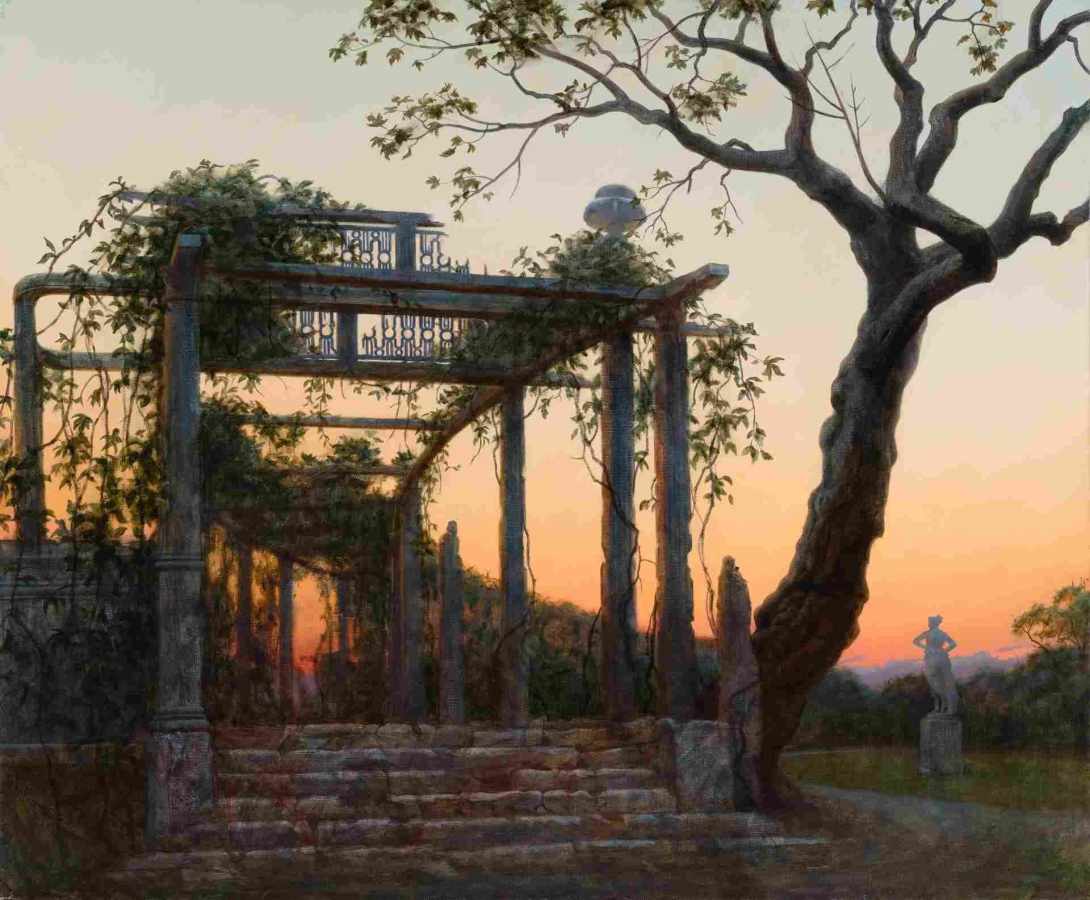
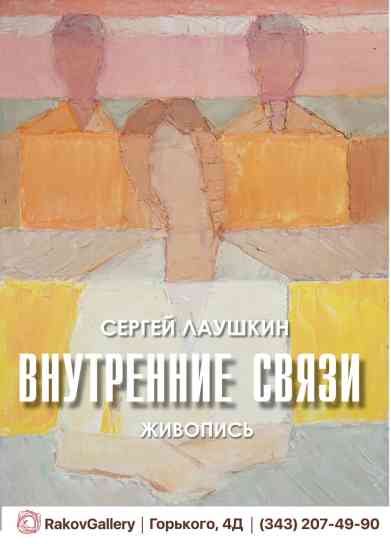
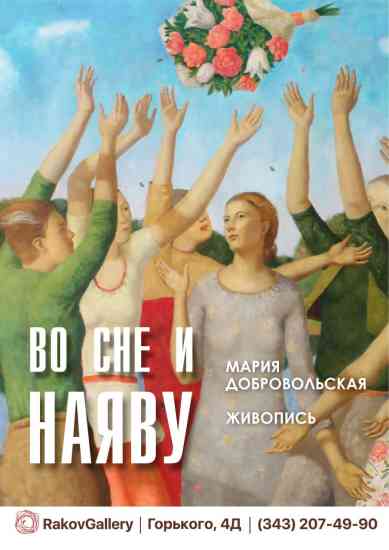
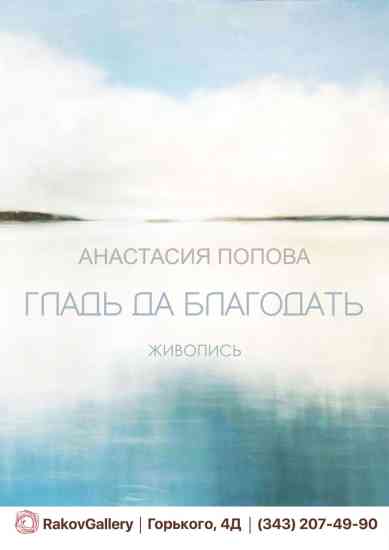
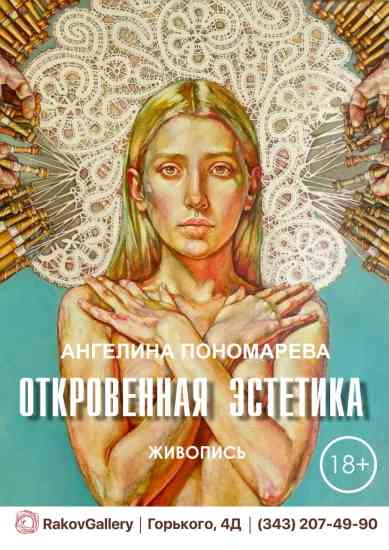
The project brings together artists who offer an examination of familiar images from two complementary perspectives. The exhibition's classical interpretation of the stories collides with their visual and semantic refractions. The artists ask open-ended questions: what do myths sound like and what do their protagonists look like today? Are they unchanging, canonical figures or stories transformed by time? Perhaps it is their fusion that creates a completely different narrative? "New Realism" here coexists with "New Baroque" without being separated: just as in reality, we observe the layering of different cultural layers that form the unified fabric of our eclectic era.